Nationally Standardized EMD/EMT Training
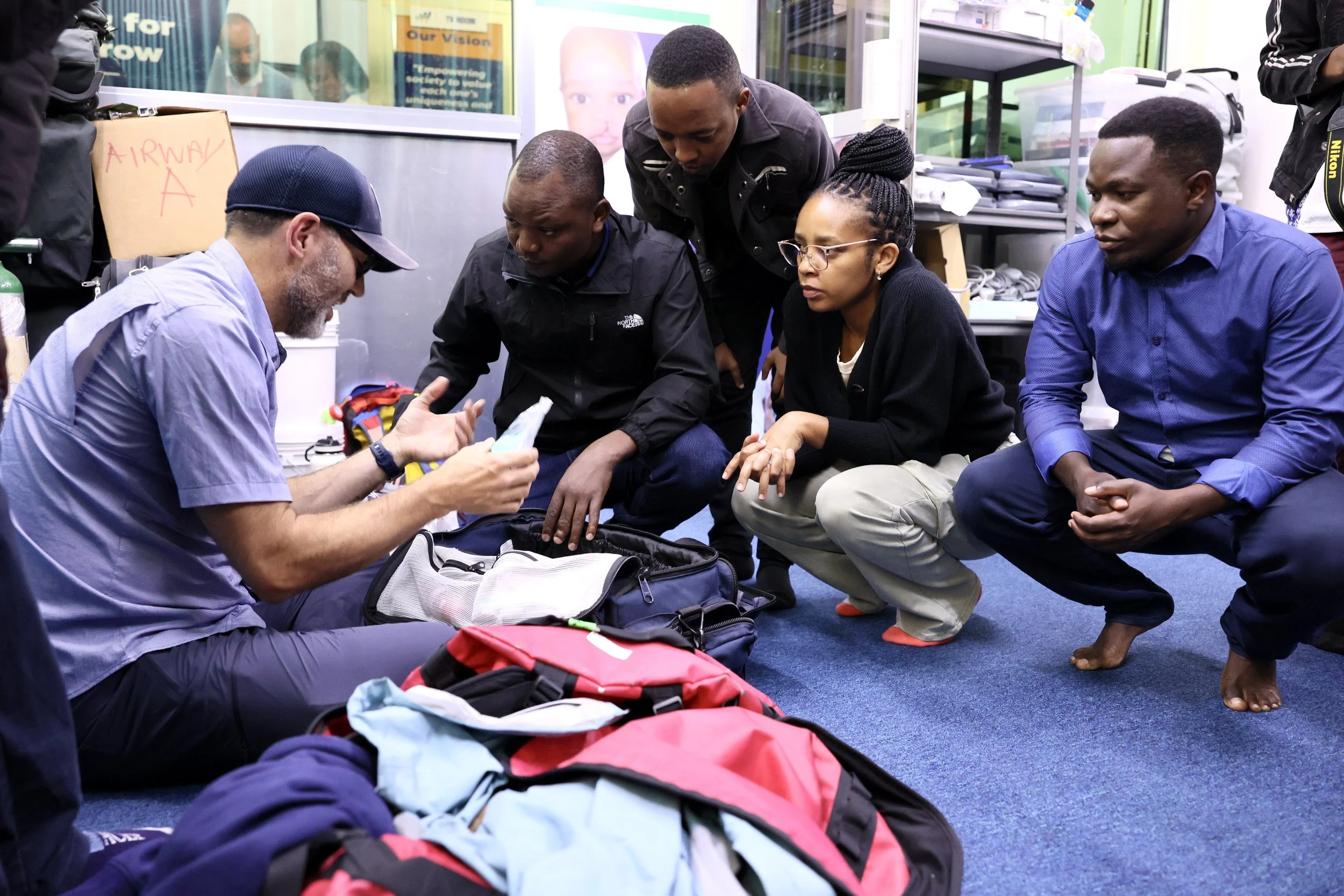
A functioning dispatch system is only as strong as the people staffing it. In partnership with Muhimbili University of Health and Allied Sciences and the Tanzanian Ministry of Health, TZEMS is rolling out a nationally standardized training program for Emergency Medical Dispatchers and paramedics across the region.
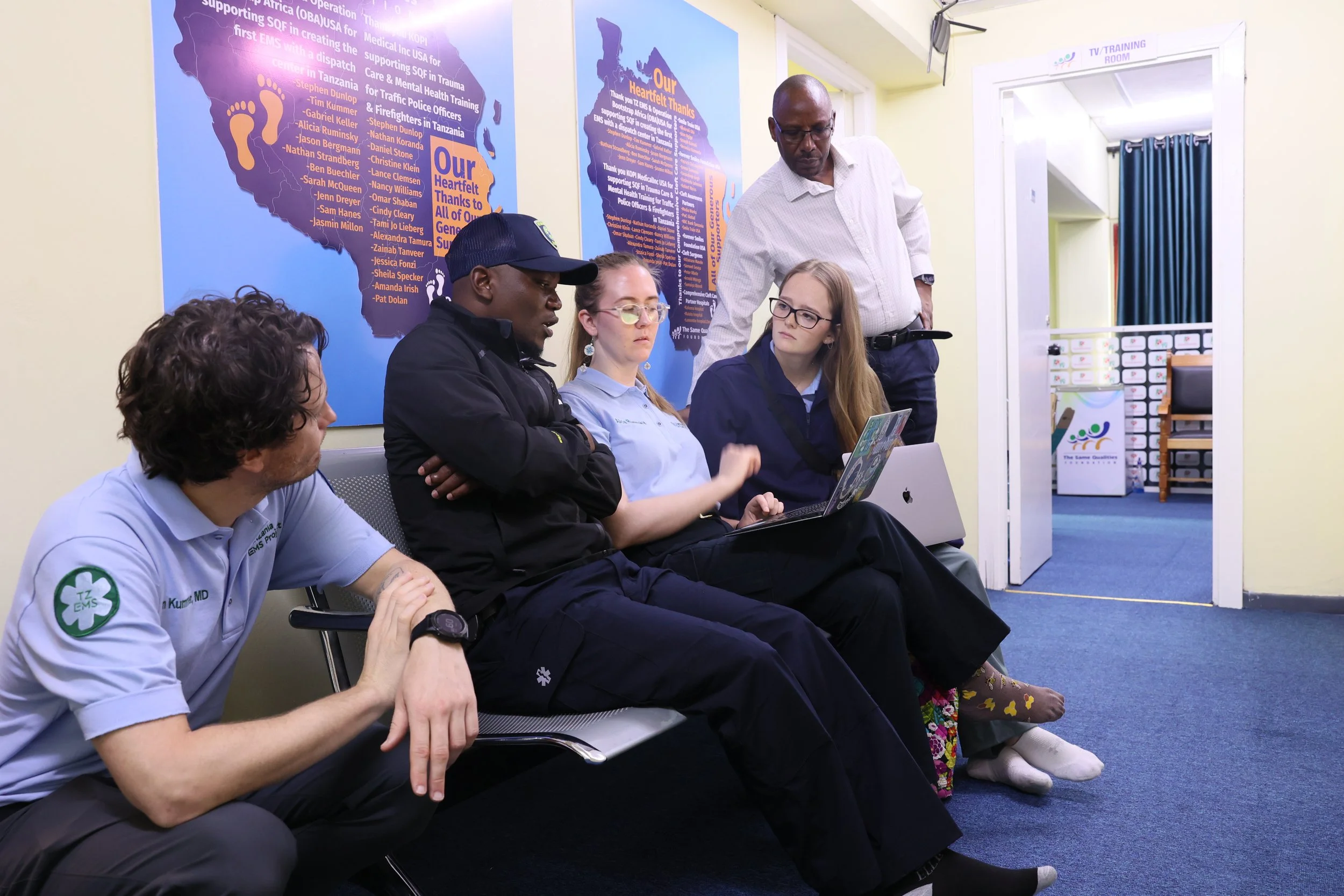
The EMD/Paramedic Academy blends classroom learning, hands-on skills training, and in-situ simulation with our active dispatch team. The clinical knowledge and instincts are already here — what this team needs is repetition, equipment, and the systems infrastructure to support them. That's exactly what we're building.
Data & Clinical Infrastructure
Every patient we care for is tracked. Every call generates data. And we're building the infrastructure to make that data useful.
Using an integrated app that connects dispatch data with paramedic charting, we’re able to have a unified picture of each call from first contact to hospital handoff. This allows us to identify patterns in community need, allocate resources more intelligently, and continuously improve the quality of care we deliver.
This is how a system learns. And this is how it gets better.