
Building a Lifesaving EMS System in Tanzania
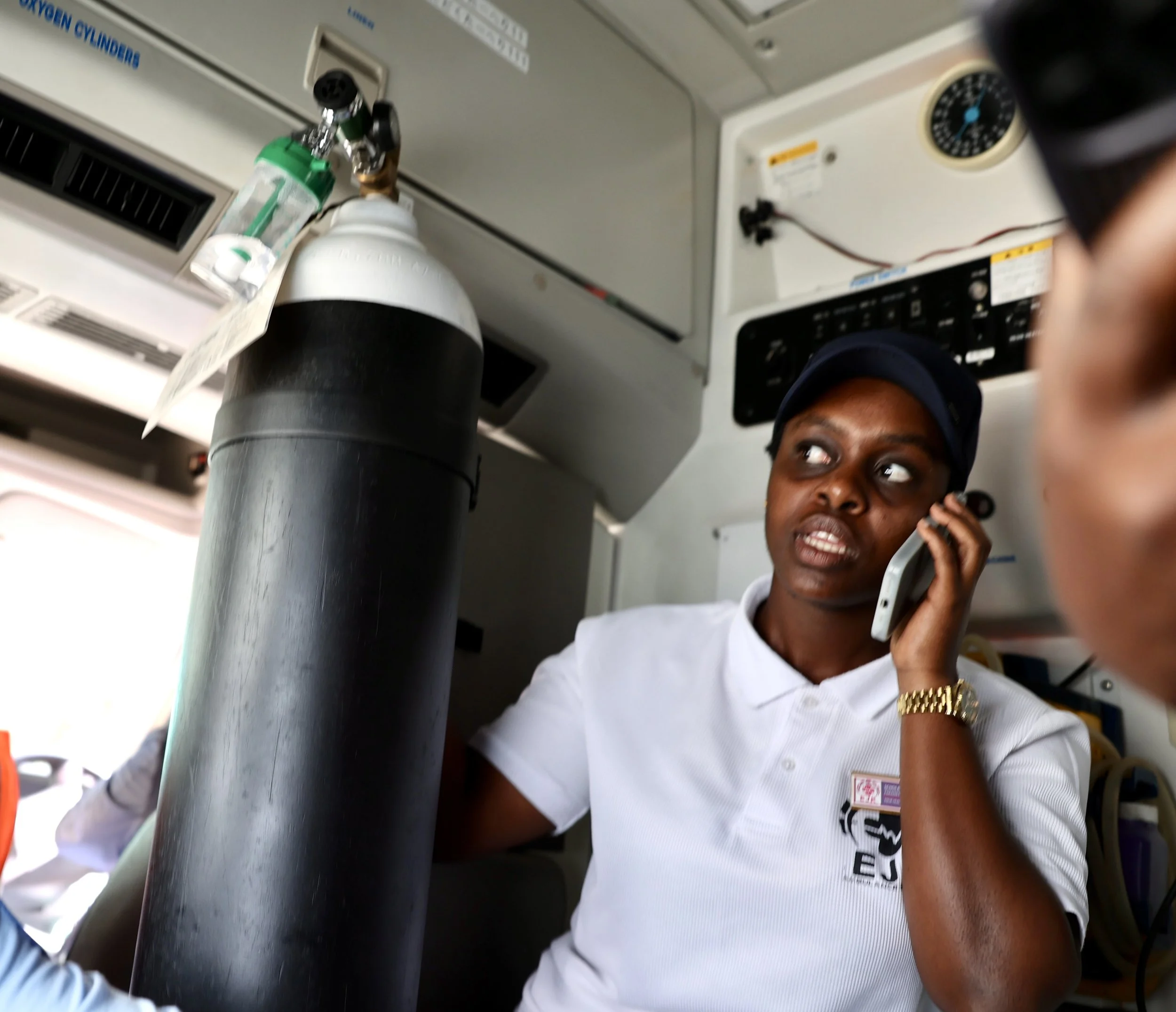
Rooted in the talent and dedication of Tanzania’s emergency providers, TZEMS exists to create the systems, training, and infrastructure that lets them do their best work for their communities
“My mother passed away in 2025 due to lack of an EMS system. She started convulsing at home during the night where she had to wait until morning to go to hospital by bodaboda (motorbike). My sister held on to my mother for more than 100km (67 miles) to reach a hospital.”
Bahati, TZEMS Director of Operations
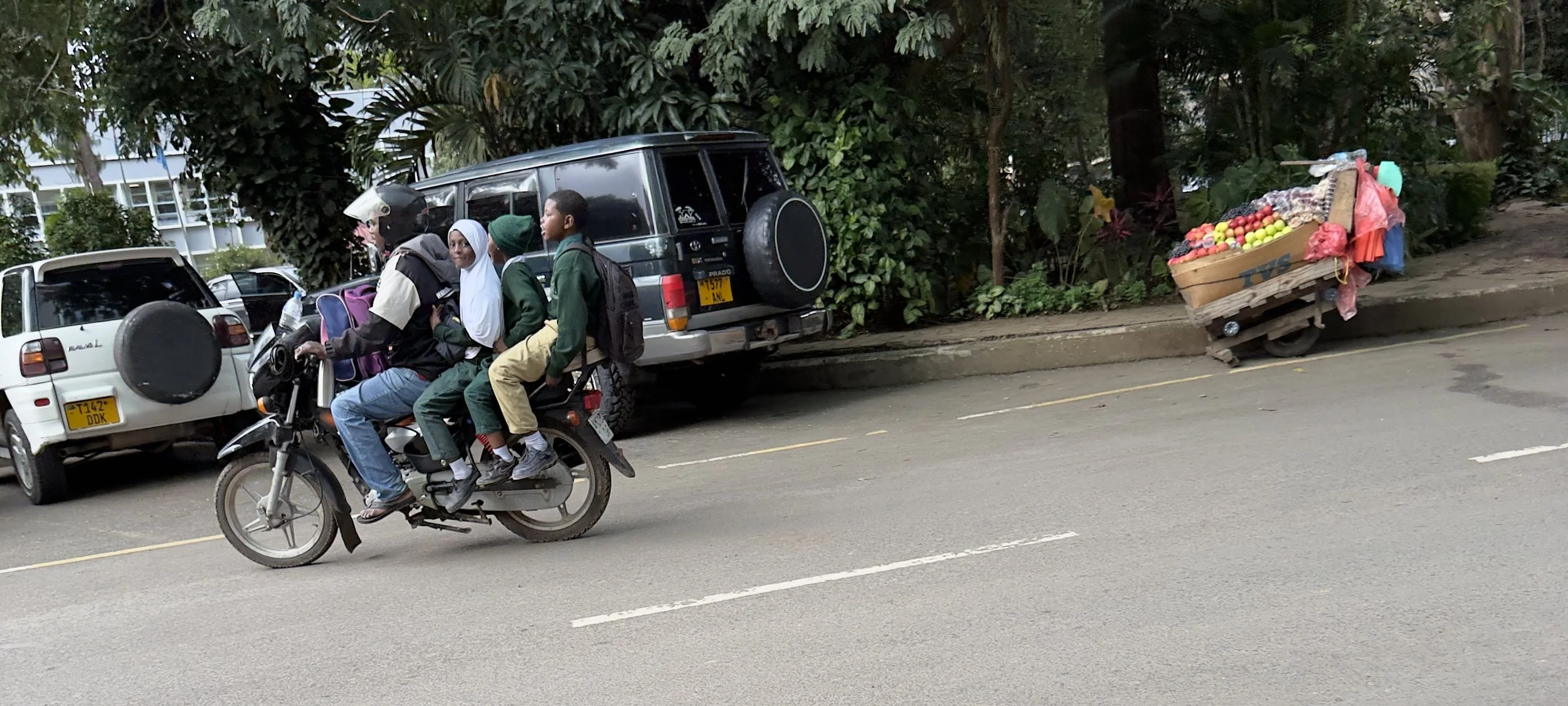
When a medical emergency strikes in Tanzania, there is no system to call.
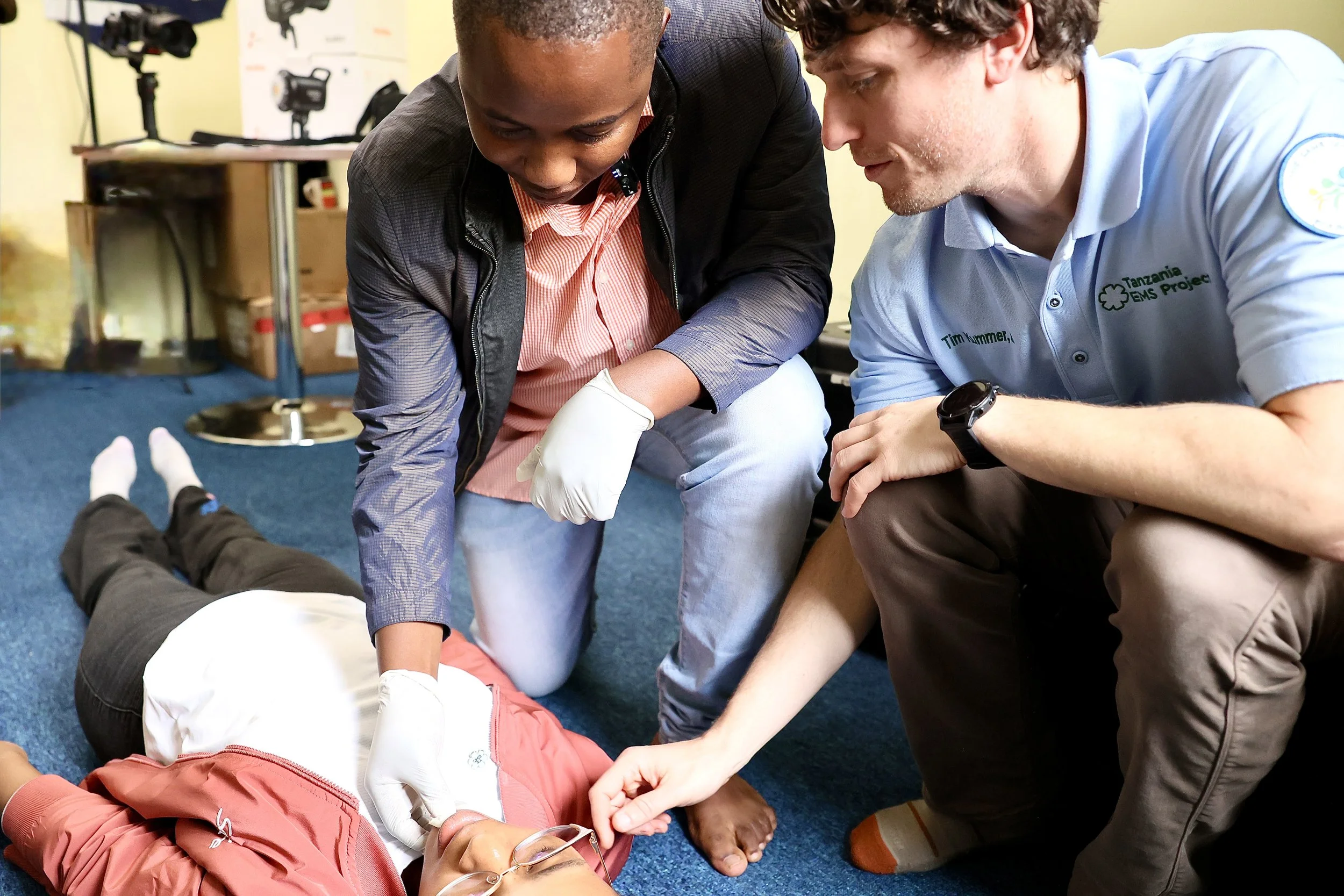
For the first time, northern Tanzania has a coordinated emergency response system. Call 0800-750-392 — day or night — and a trained dispatcher answers, coordinates the closest ambulance, and can connect you with live medical guidance before help arrives.
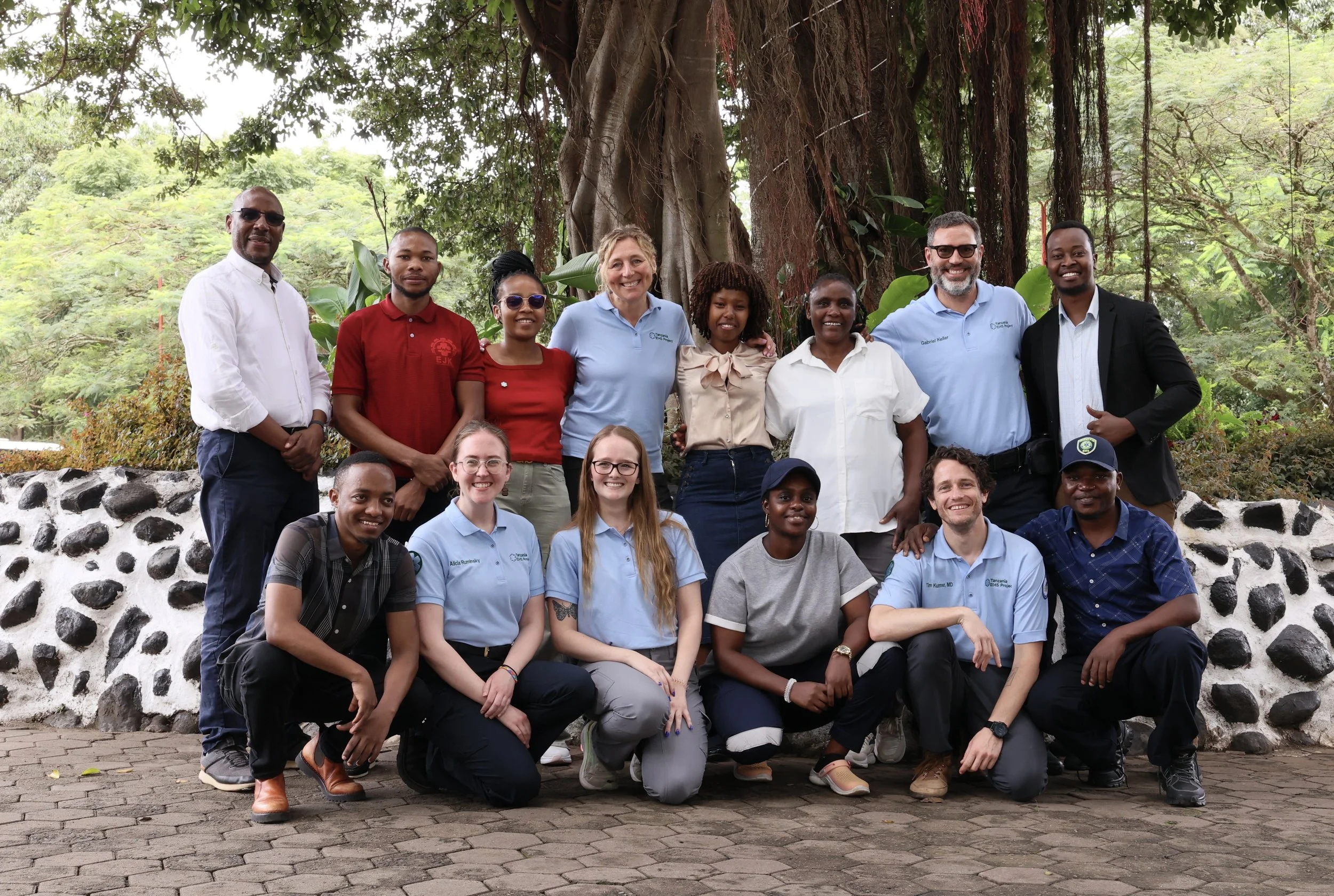
Tanzanian-led, internationally supported. Our team starts with local expertise and vision, while backed by international experience in emergency medicine, critical care, and pre-hospital care.
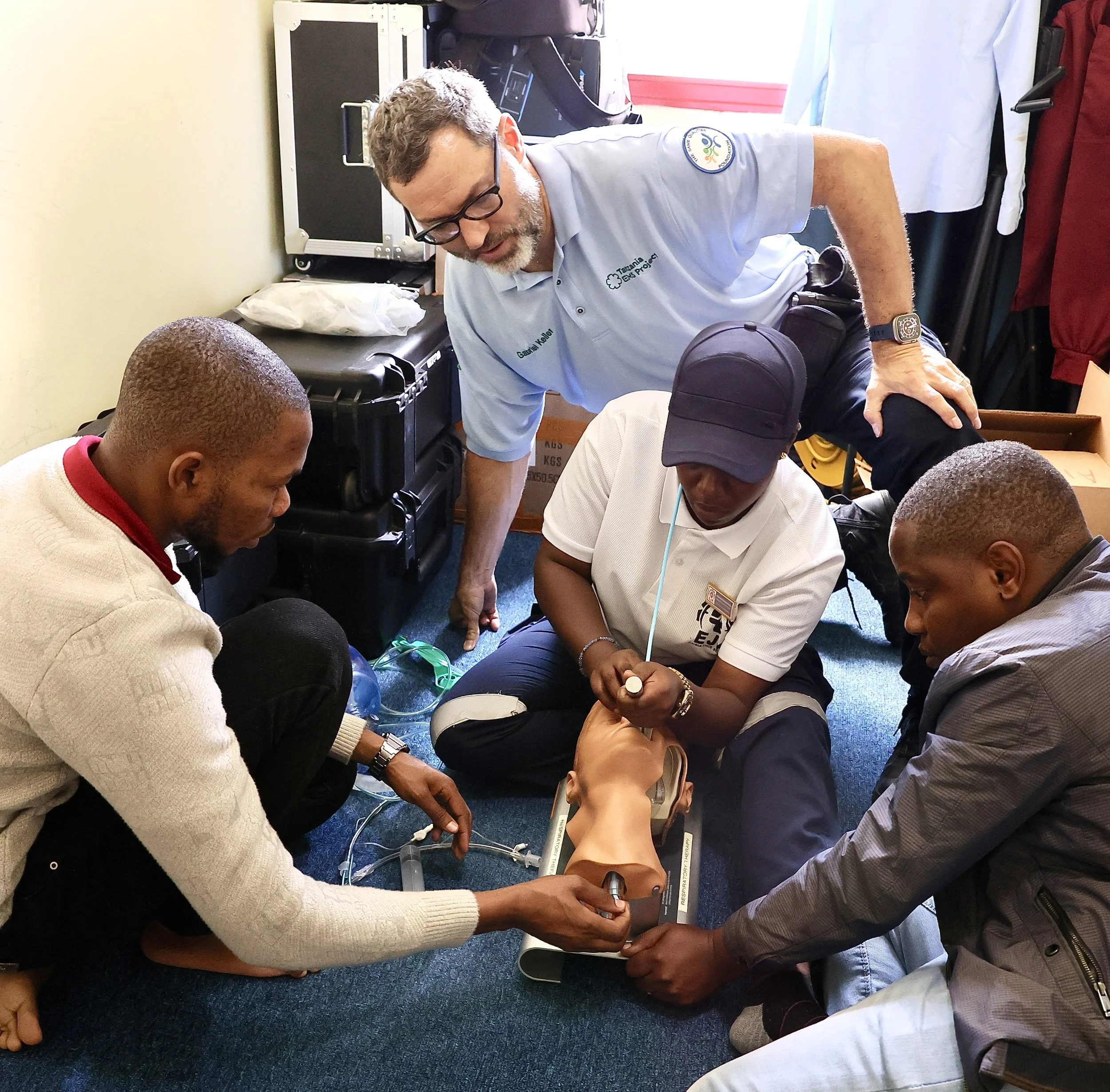
We are building a prehospital emergency system in Tanzania from the ground up. Trained dispatchers, paramedics on the road, and data infrastructure that responds to the real needs of the communities we serve.